South Korea Road Trip: Seoul, Car Rental and Hi-Pass
Table of Contents
Links to the next parts
- Sokcho and Seoraksan national park
- Gyeongju
- Jeonju
- Gongju
- Incheon
Arrival in Seoul
The majority of journeys start in the capital, and this one is no exception. This time, we decided to rent a car and stay overnight in the capital. The next morning, we were planning to head down to Sokcho.
Car rental
As with our last trip to Jeju, we decided to rent from Lotte Rent a Car, as we had such a smooth experience last time. We spent a little bit of time finding the airport kiosk, as it was quite hard to spot (at the other end of the airport), but the information desk quickly pointed us in the right direction.
The overall experience was extremely smooth. A young gentleman who spoke good English explained how to use Hi-Pass, the caveats about parking, and handed us the car key. The car was located in a nearby car park, so we were on our way to Seoul in just a few minutes.
Parking
The first very important thing to note about driving in Korea is parking. Not all car parks accept international credit cards or cash, so you might find yourself with no way to pay. As a result, you can easily get stuck in a car park. It happened to us once, almost at the end of the trip, but luckily, a local young lady and her friend rescued us.
WOWPASS
To complete the conversation about parking, we have just returned from another road trip in Korea, and my wife realised that there is an easy and safe way to pay for parking in South Korea: WOWPASS.
We bought the pass directly at the airport and immediately topped it up. The pass can be used not only for parking but also at almost any establishment (including CU & GS25!), and it is very easy to top up through a mobile application. Thus, I strongly recommend considering WOWPASS if you’ll be renting a car.
Hi-Pass
The second, even more important thing to note is Hi-Pass. Hi-Pass is South Korea’s electronic toll collection system (similar to Singapore’s EZ-Link motoring card). To be able to travel on expressways without stopping at toll gates, you should have a special card with a sufficient balance.
At the car rental place, we were given a card with about SGD 30 loaded onto it for free. But the tolls can add up, and we used two-thirds of our card balance pretty quickly, so the question was how to top up the existing card.
At the first rest stop, with the help of friendly locals, we realised that our card couldn’t be recharged through a conventional kiosk (Hi Plus Charger). The local store didn’t have a valid card either. We were told that a couple of local convenience stores, such as CU (Nice to CU), might have a card.
Once we arrived in Sokcho, we started exploring nearby convenience stores, and only one store had a pile of cards. Thus, I would advise testing whether your card can be recharged in advance and swapping it for another card in Seoul if necessary.
Lastly, we realised that highways were toll-free during the national holiday, so we didn’t pay much and still have a Hi-Pass card with about SGD 70 on it. Is that a reason to return?
For more information about the system, check out this guide to Korean expressways and Hi-Pass.
Bar Zest
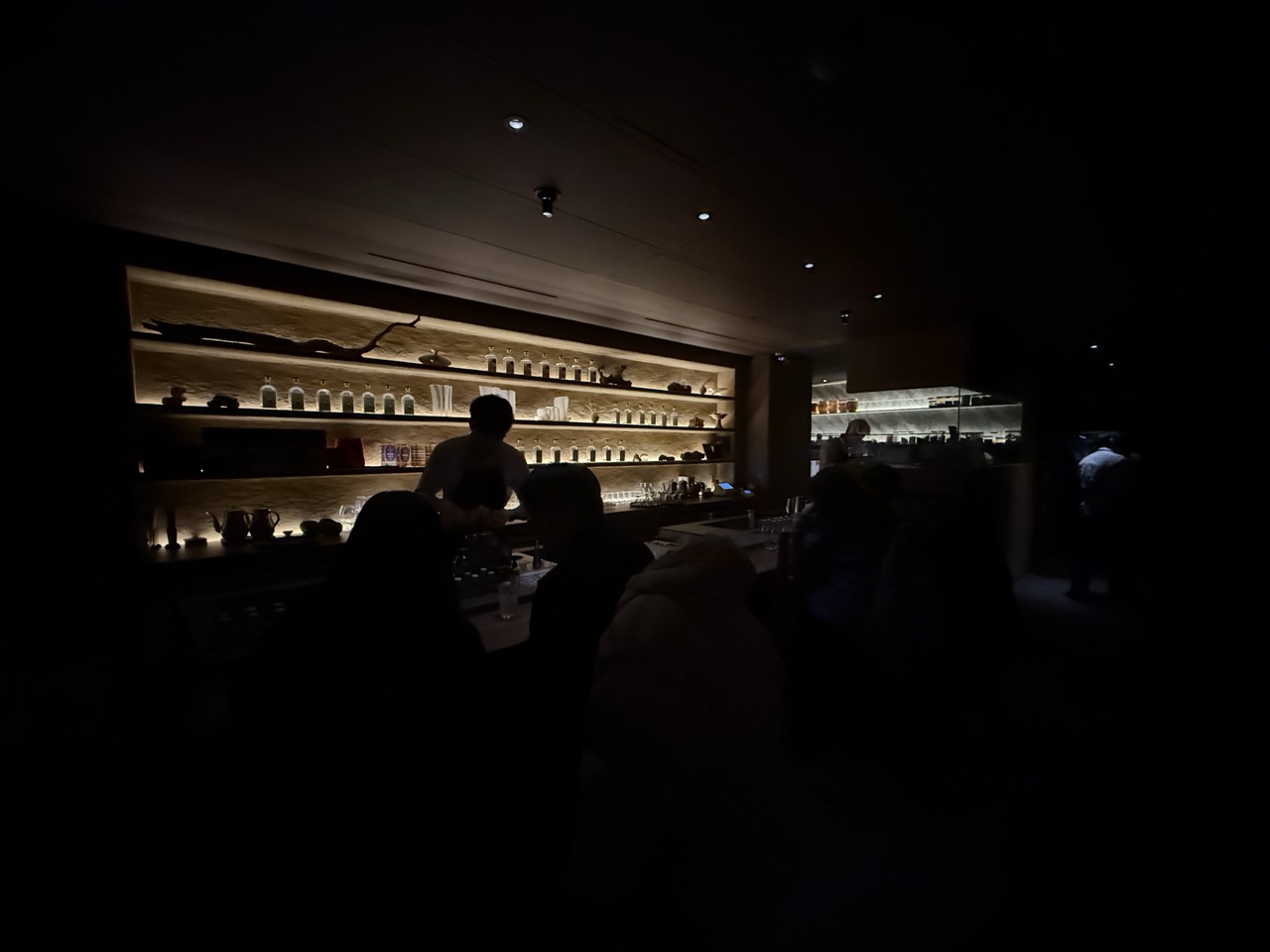
We spent the day walking around Gangnam, had a nice lunch at a local restaurant, and checked out a local art gallery. After a short break at the hotel, we returned to Gangnam to check out Bar Zest, a bar ranked among the world’s top 10 in The World’s 50 Best Bars.
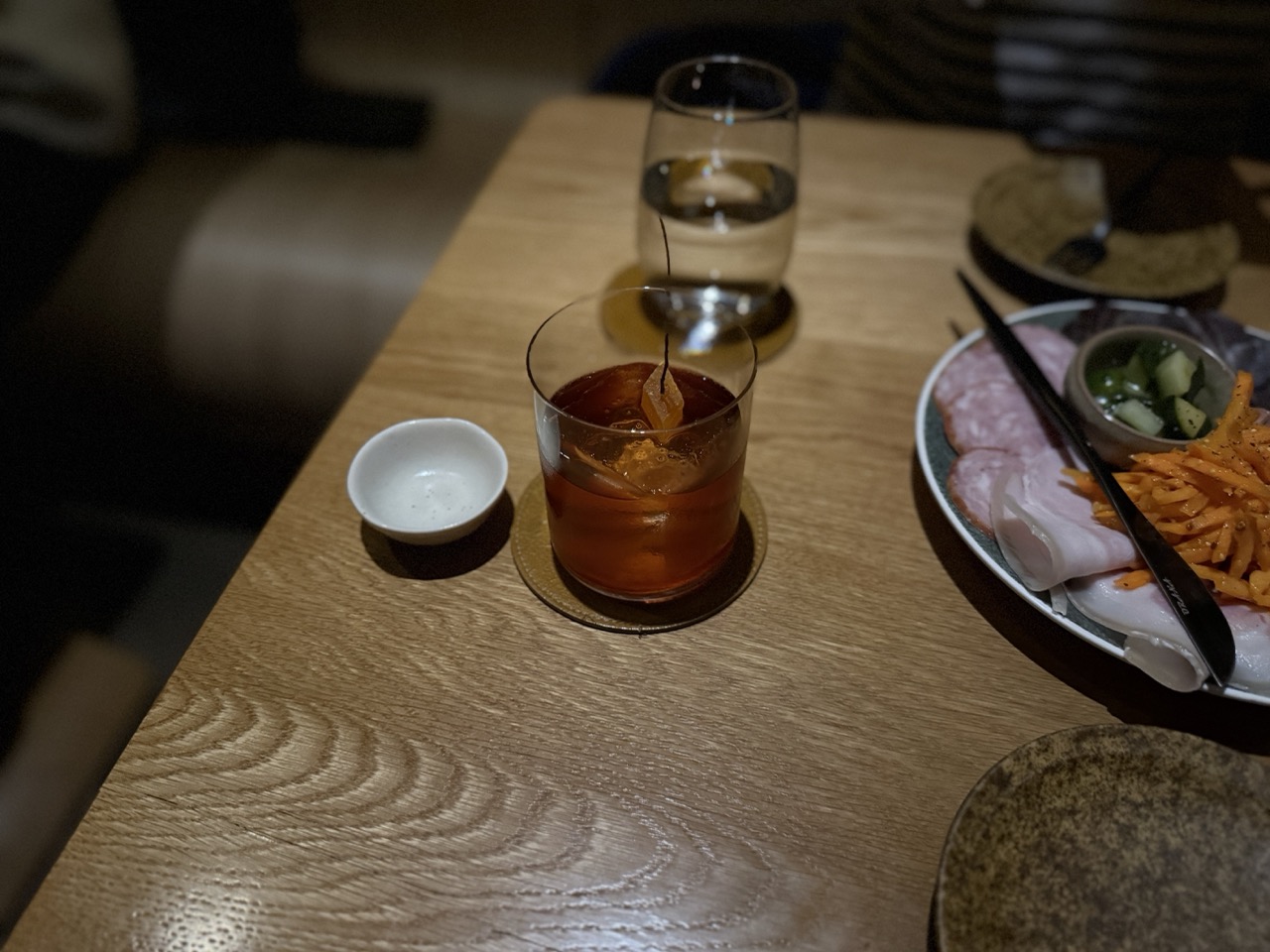
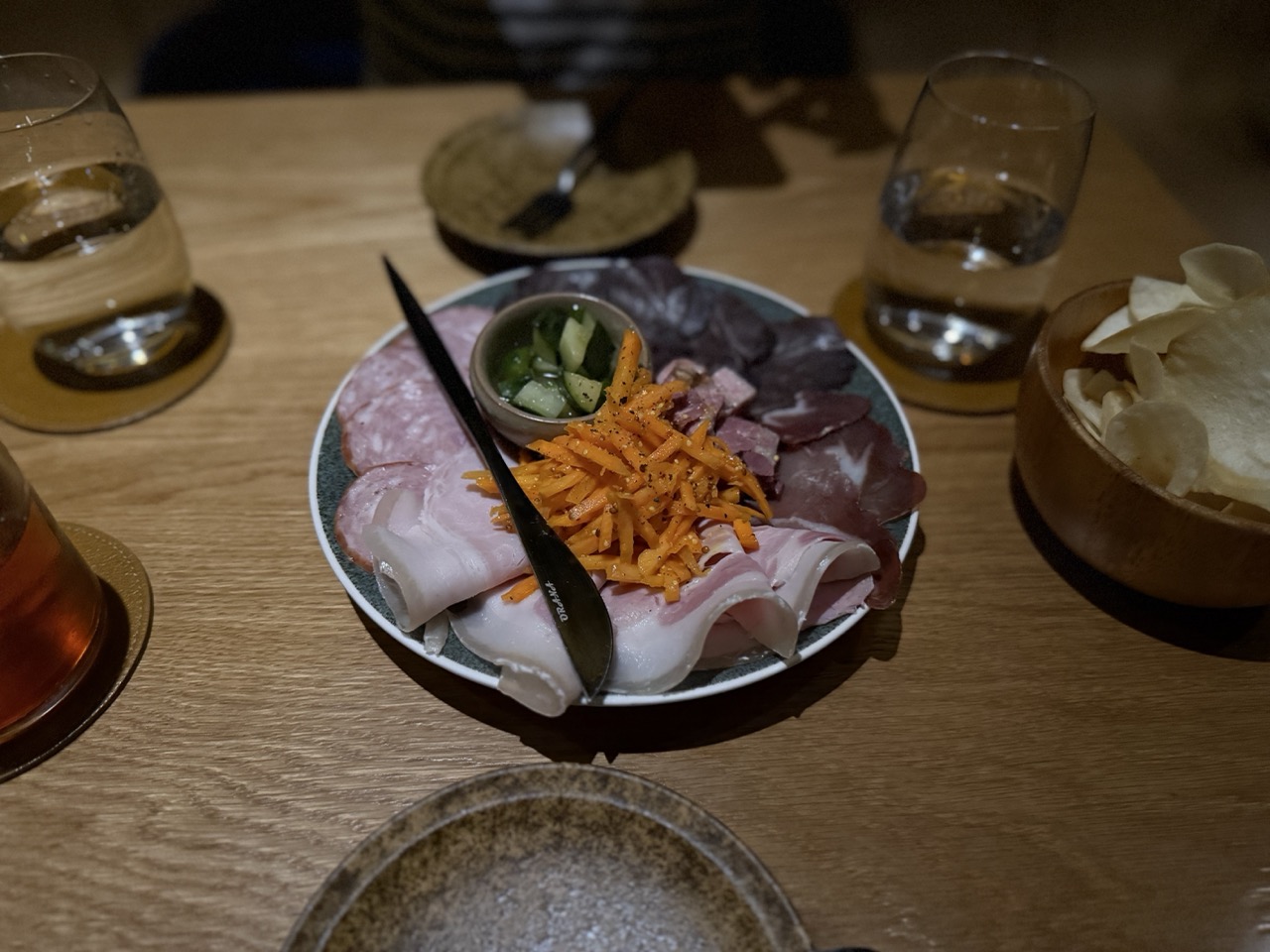
We’ve been to Jigger & Pony before, so I more or less knew what to expect.
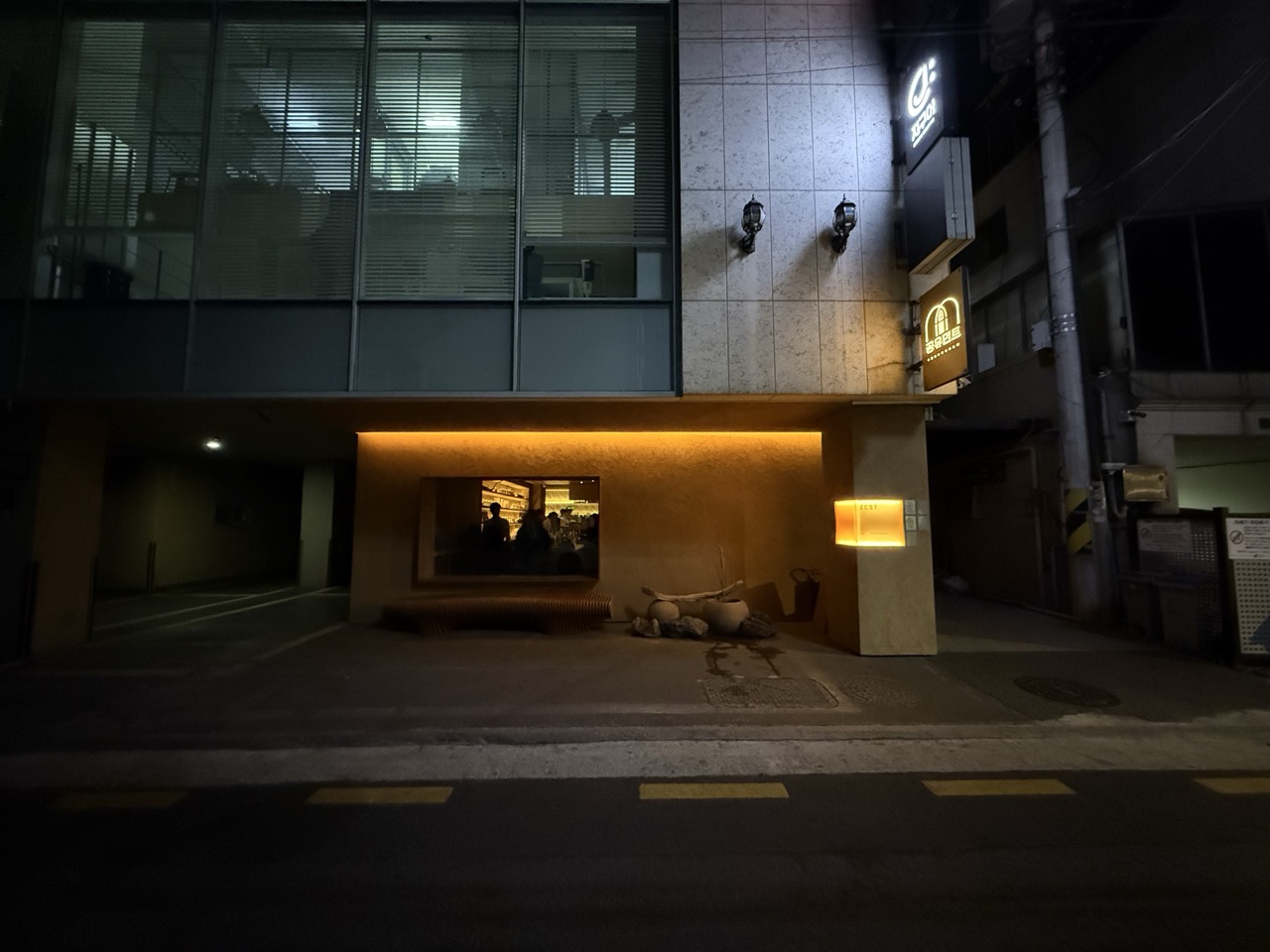
I really enjoyed the exterior at night: a huge, warm, orange-glowing window in an old, rustic building inviting you to come in from the cold winter air into the warmth of Zest.
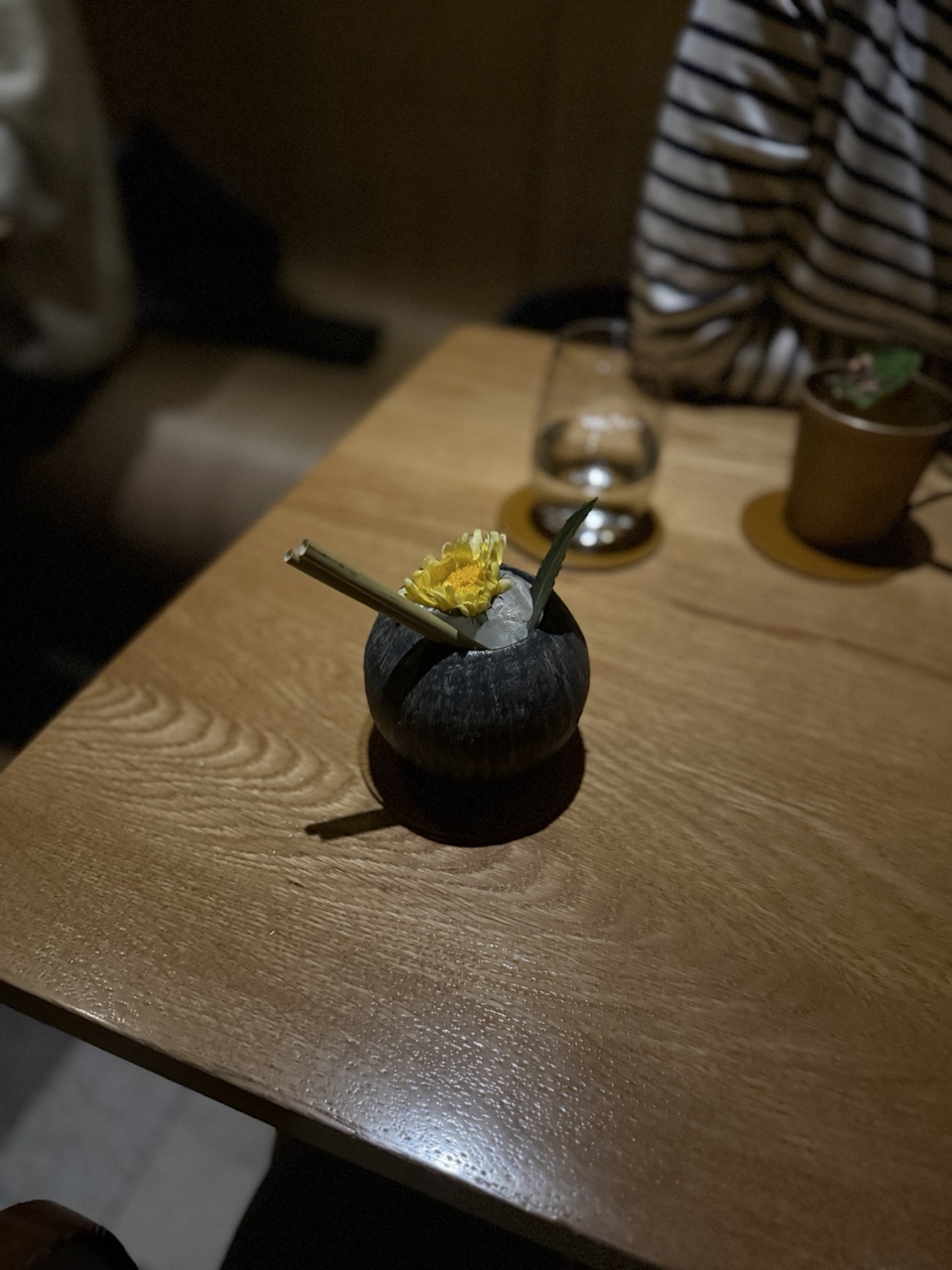
Unfortunately, the bar didn’t really impress me much. It’s nice to try cocktails based on local ingredients, such as makgeolli, but I still couldn’t see much difference compared to a good, regular bar offering a very similar cocktail selection with traditional ingredients, but at a significantly different price point.